


The Cronulla Sharks have stood down coach Shane Flanagan and four members of his backroom staff and appointed a new interim chief executive as they faced up to the widening drugs crisis.
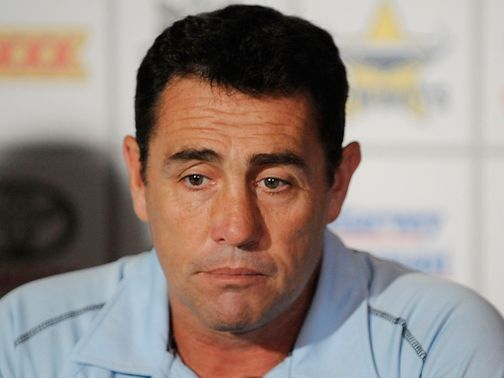
Flanagan, football general manager Darren Mooney, head trainer Mark Noakes, physiotherapist Konrad Schulz and long-serving team doctor Dave Givney were all removed from their positions at the NRL club, who are under investigation by the Australian Sports Anti-Doping Authority.
Widespread reports have suggested as many as 14 Cronulla players are under suspicion of taking banned substances.
The NRL offered its support by way of a support package which included the appointment of Bruno Cullen as temporary CEO. Cullen, a former CEO of the Brisbane Broncos, will be formally confirmed in the role pending the finalisation of terms with the Cronulla board early next week.
"Bruno has the skill and track record to successfully help the board get through this difficult time," said NRL chief Dave Smith. "He is regarded across all sporting codes as one of Australia's best sports administrators and club leaders." He will have his hands full attempting to stabilise a club seemingly in turmoil.
Flanagan is reported to have phoned the Daily Telegraph newspaper in Sydney to reveal he had been stood down. "I'm shattered," Flanagan said. "None of us had any knowledge of what was happening. "I've got the support of the players here. I still believe that the players have not done anything wrong." Former Manly and Hull coach Peter Sharp will coach Cronulla in Sunday's round one clash against the Titans at Shark Park.
Meanwhile, the embattled Sharks players have received support from Rugby League Players Association (RLPA) boss David Garnsey, who believes they should not be punished if they unwittingly took banned substances on the advice of medical staff.
"Rugby league players ultimately place their trust in those who are in positions of knowledge and authority at their clubs and, as employees, follow the directions of their employers," Garnsey said in a statement. "There was a recognition in the Australian Crime Commission's (ACC) report that illegal substances had been administered to players by staff at clubs without those players understanding the nature of the substances.
"Where that has occurred, it's clear that those athletes have been exploited and are not drug-cheats, yet they are subject to the same sanctions as those who deliberately set out to take prohibited substances to enhance their performance. "In short, for reasonably obeying their employers, athletes' careers can be destroyed and reputations irreparably damaged. This cannot have been the object of the WADA Code.